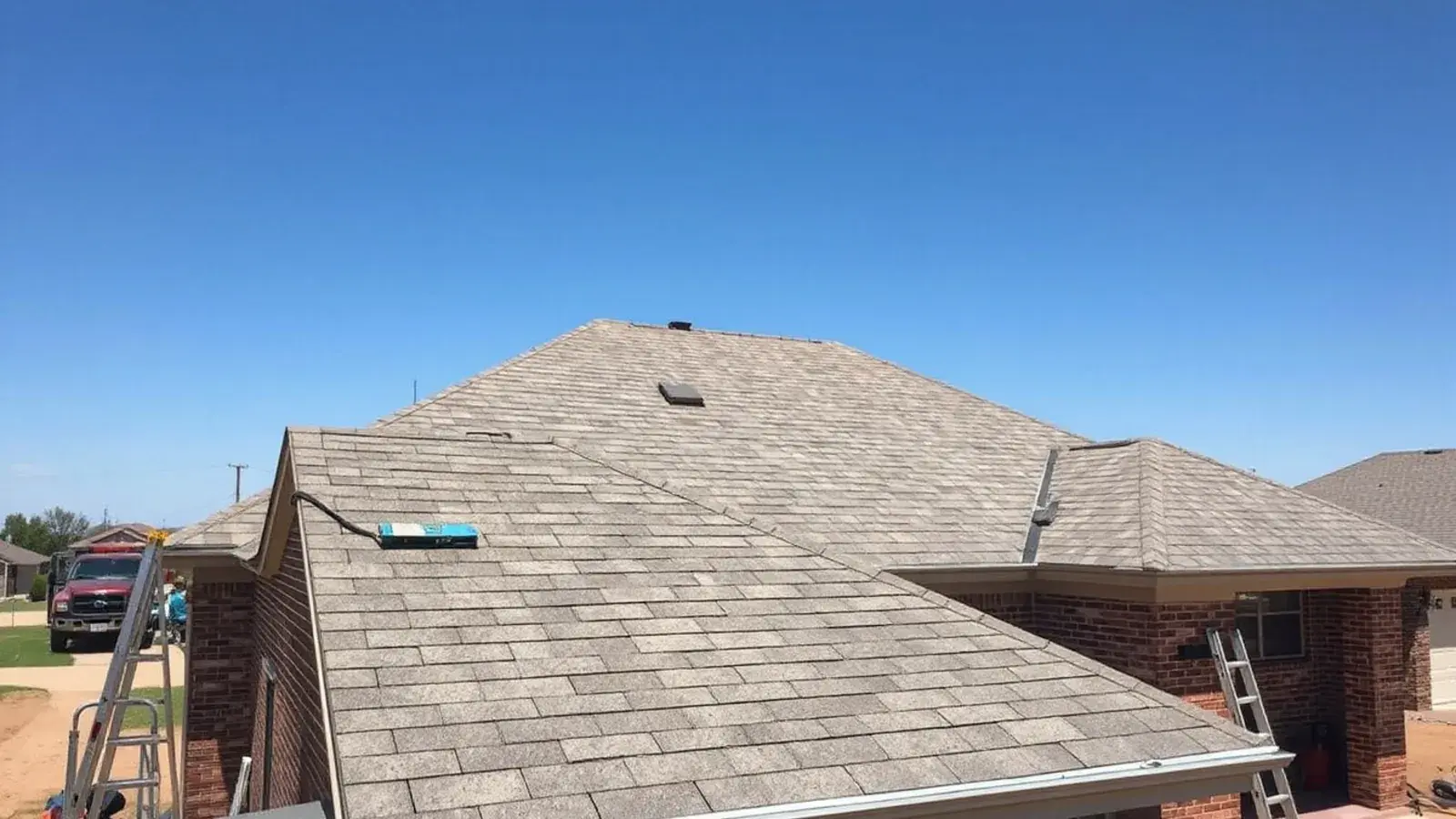
There's no single number. Manufacturers rate shingles and metal for many years, but real-world life in West Texas is often shorter because of intense UV at elevation, hot summers, hail and wind-driven dust. Installation quality, attic ventilation and regular inspections decide whether your roof reaches its rating or falls short.
Roof lifespan questions usually come up at two moments: when you're buying a house and after a storm. Either way, the rating on the shingle wrapper matters less than the weather the roof has lived through and how well it was installed.
What shortens roof life in West Texas?
Six things do most of the damage here: strong UV at elevation, daily heat cycling, hail, high wind and dust, poor attic ventilation and weak installation. A roof in Lubbock, Abilene or Midland faces more of these stresses than a mild-climate roof, so it often ages faster than the manufacturer's rating suggests.
UV at elevation
Lubbock sits at about 3,250 feet and Midland at about 2,780 feet. Thinner air at elevation lets more ultraviolet light through, and UV breaks down the asphalt in shingles, dries out sealants and fades coatings. Sun-facing slopes usually show wear first.
Summer heat cycling
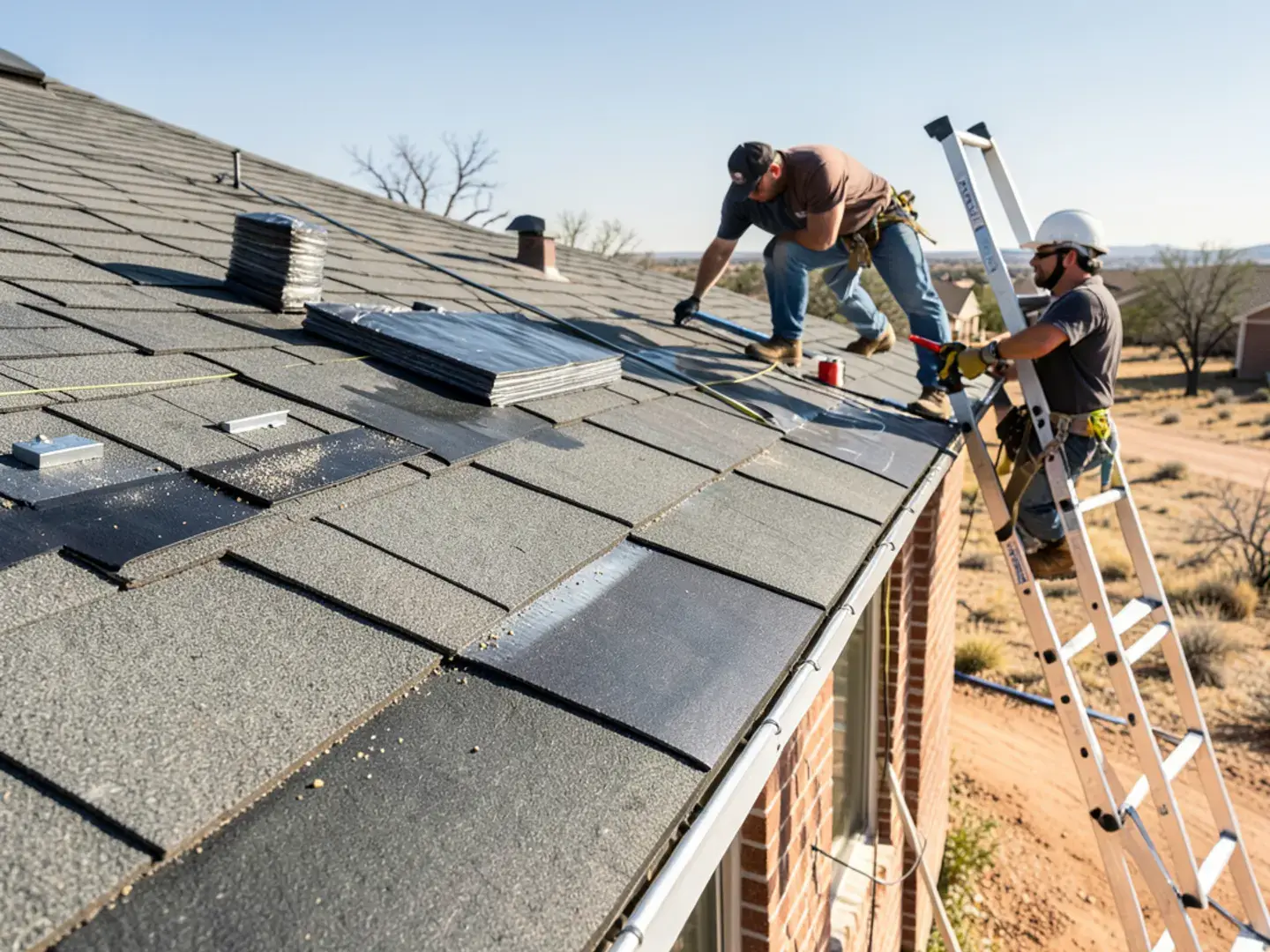
A dark roof heats up fast under afternoon sun and cools after dark. That daily expansion and contraction works nails loose, cracks sealant around pipe boots and opens flashing joints. Metal panels move with the heat too, which is why fastener and clip design matters.
Hail
Each storm can bruise shingles, knock off granules and dent metal, even when nothing leaks right away. Big hail usually arrives in spring and early summer here, though damaging storms have shown up as late as October. Our guide to signs of hail damage on a roof shows what to look for.
Wind and dust storms
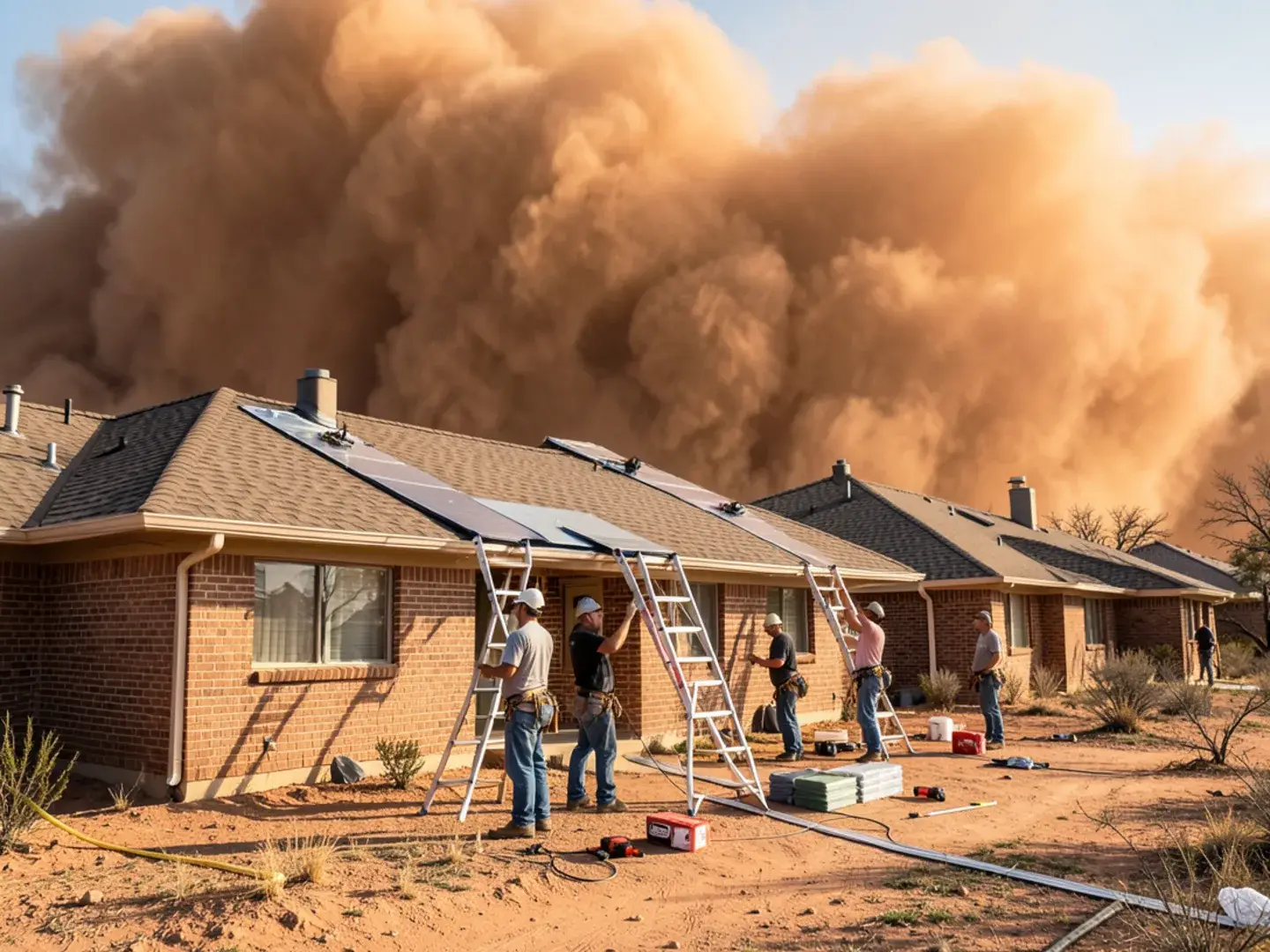
On Oct. 17, 2011, a dust storm swept the South Plains, dropping visibility near zero in Lubbock and causing power outages and tree and structure damage, according to the National Weather Service. An NWS staff paper put measured gusts near 76 mph. Wind breaks shingle seals and lifts tabs, and blowing grit scours granules away.
Attic ventilation
A hot, poorly vented attic bakes shingles from below and can trap moisture in the decking. Balanced intake at the soffits and exhaust near the ridge keeps the deck cooler and drier, which helps every material on top.
Installation quality
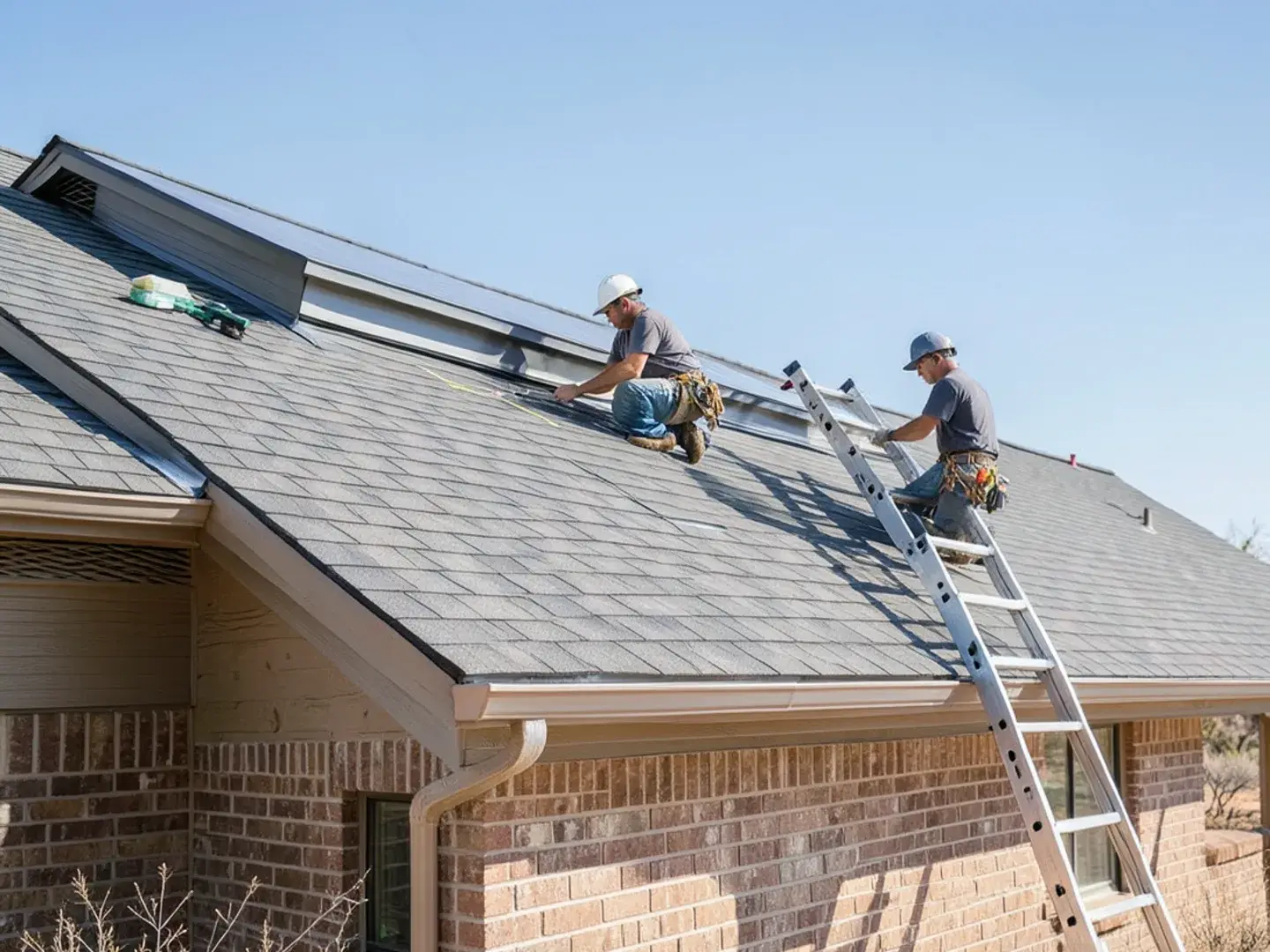
Nail placement, starter courses, underlayment and flashing decide how a roof handles all of the above. Two roofs with the same shingle can age very differently depending on how carefully they were installed.
How long do roofing materials last here?
Manufacturers commonly rate architectural shingles and metal roofing for decades, but real-world life in West Texas is often shorter. Three-tab shingles generally wear out first, Class 4 shingles resist hail cracking better, and well-maintained metal usually outlasts shingles. Your roof's storm history and installation matter more than the number on the label.
- Three-tab shingles: the thinnest common shingle. They tend to be the first to lose tabs and granules in a windy, sunny climate.
- Architectural shingles: thicker and layered. Manufacturers rate them longer than three-tab, but hail and UV still set the pace on the South Plains.
- Class 4 impact-resistant shingles: these passed the UL 2218 steel-ball test without cracking, so they shrug off more hail. They still age under UV and heat.
- Metal roofing: long-lived when maintained. Watch exposed fasteners, washers, sealant and coating scratches; many hail dents are only cosmetic.
Signs your roof is near the end
- Granules piling up in gutters and bare, dark patches on shingles
- Curling, cupping or cracked shingles, especially on south- and west-facing slopes
- Tabs missing after an ordinary windy day
- Water stains in the attic, daylight through the decking or a sagging roofline
- Repeat leaks around the same flashing or pipe boots
- Rust, loose fasteners or split seams on metal
One or two of these can often be fixed with roof repair for worn flashing and shingles. When several show up together, it's time to talk about roof replacement for a West Texas home.
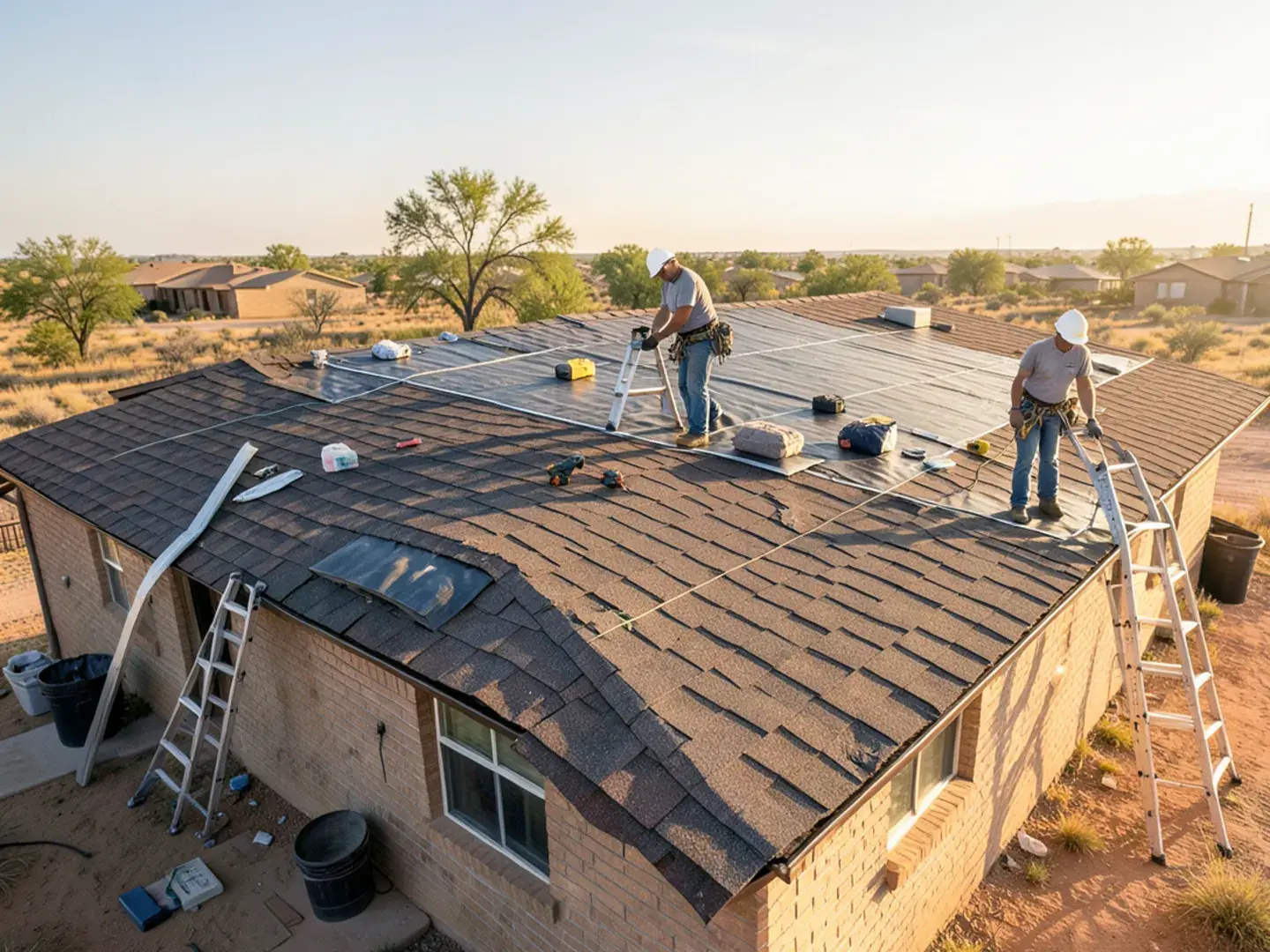
Can regular inspections make a roof last longer?
Yes. An inspection once a year and after any major hail or wind event catches lifted tabs, cracked pipe boots, loose flashing and clogged gutters while they're small repairs. Fixing those early keeps water out of the decking, which is usually what ends a roof's life in Lubbock, Abilene and Midland.
A roof inspection and maintenance visit covers shingles, flashing, vents, gutters and the attic, with photos of anything that needs attention. We inspect homes as a roofing contractor in Lubbock and across the Big Country as a roofing contractor in Abilene. Call (806) 249-0342 to find out how much life your roof has left.
Have a question about your own roof? Talk it through with a local roofer.
Call (806) 249-0342Frequently Asked Questions
Should I replace my roof just because it's old?
Do Class 4 shingles last longer in West Texas?
How can I find out how old my roof is?
Related roofing services
Local roofing help
More West Texas Roofing Guides
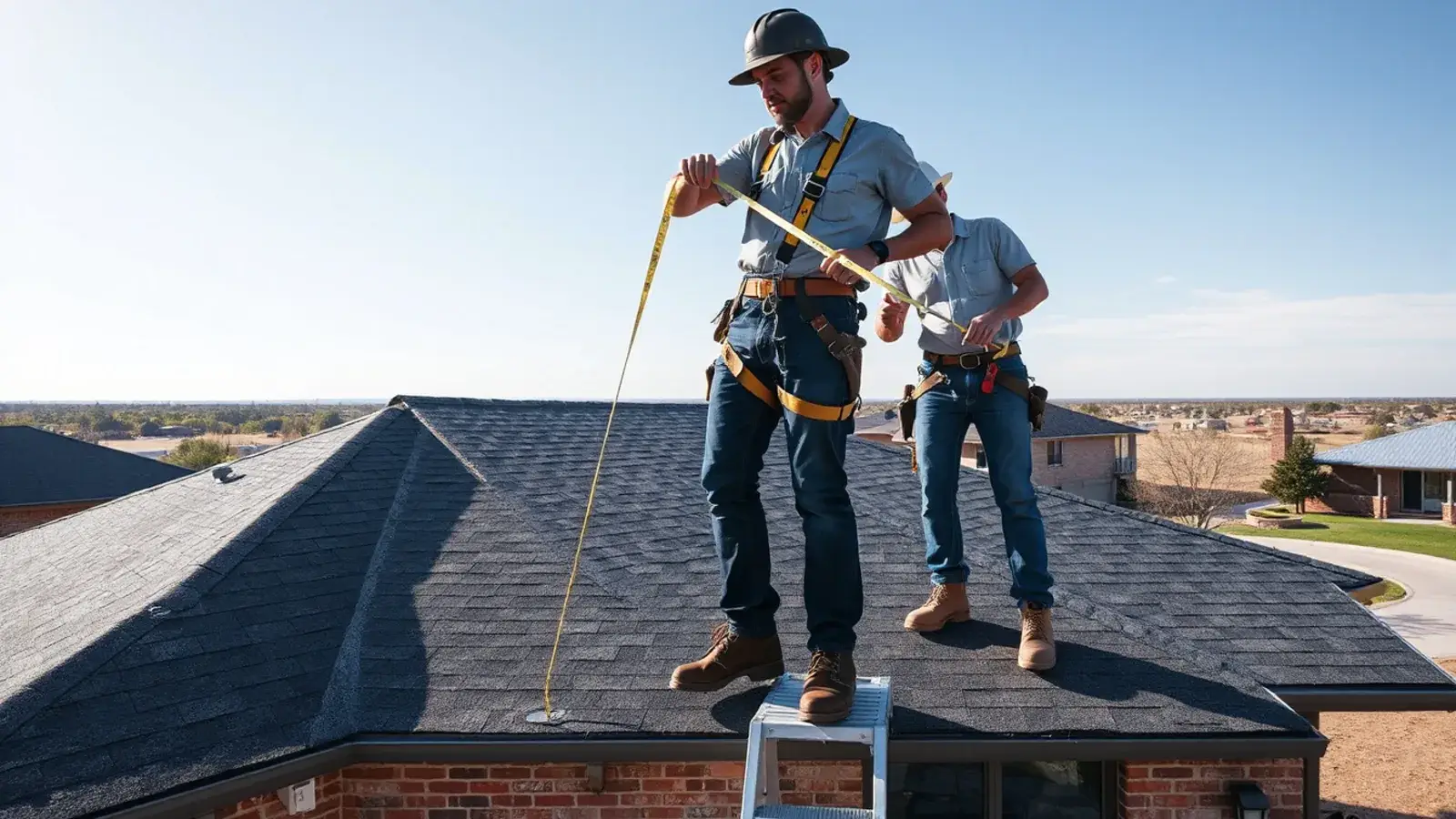
How Much Does a Roof Replacement Cost in Texas? 9 Factors That Set the Price
No honest roofer can price your roof from a blog post. Here are the nine factors that actually set a Texas roof replacement price, plus how to compare written estimates line by line.
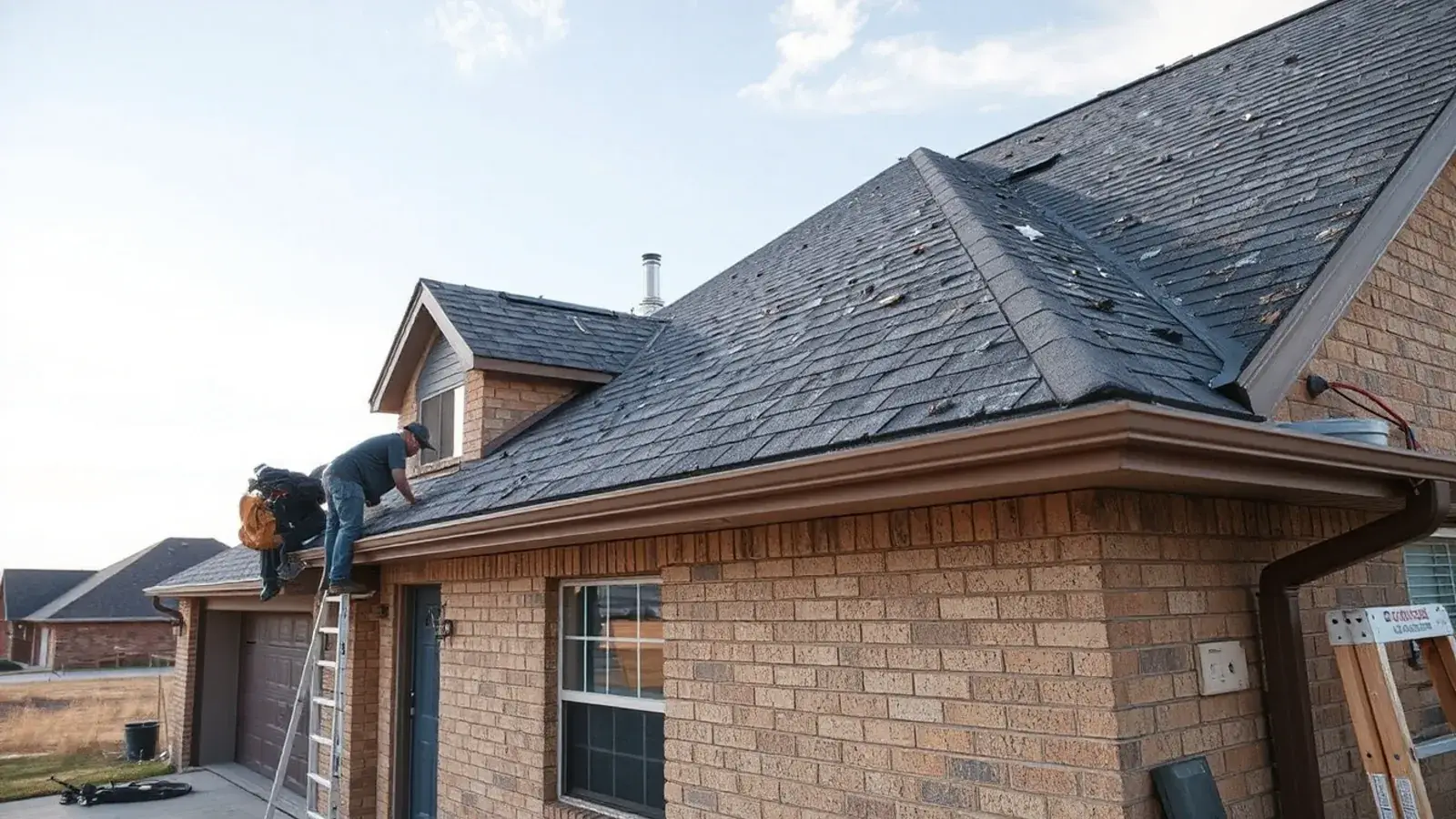
8 Signs of Hail Damage on Your Roof (and What Isn't Hail)
Bruised shingles, dented gutters and cracked flashing are classic hail tells, but blistering and old age can look similar. Here are eight signs to check from the ground, plus what usually isn't hail.