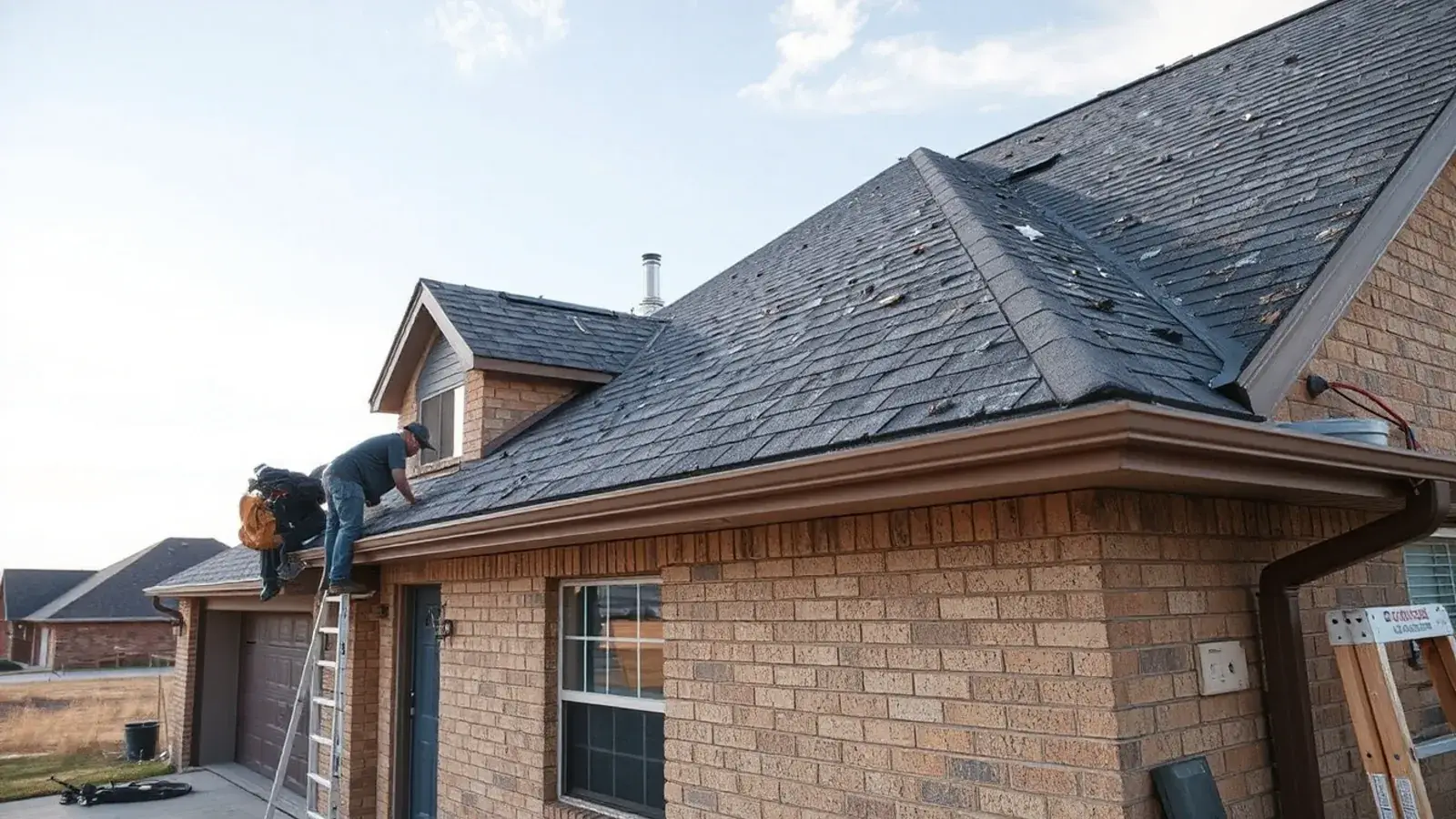
The clearest signs of hail damage are dents in gutters, vents and AC fins, plus shingles with dark bruises, missing granules or cracks scattered randomly across the roof. Hail leaves fresh, round impact marks. Blistering, normal wear and foot scuffs look different, so have a roofer inspect up close instead of guessing from the yard.
After a South Plains storm, the first question is simple: did the hail hurt my roof? Start on the ground. Don't climb onto a hail-hit roof. Wet or damaged shingles are slick, loose granules roll underfoot, and weak decking can't be seen from above. Several of the signs below can be spotted from the yard, from a window or with binoculars.
8 signs of hail damage on your roof
1. Dented gutters, downspouts and roof vents
Soft metals are the easiest ground-level tell. Look for round dings along the gutter lip, dents in downspouts, and dimpled roof vents, turbines and pipe caps. If the metal took hits, the shingles beside it took the same hits.
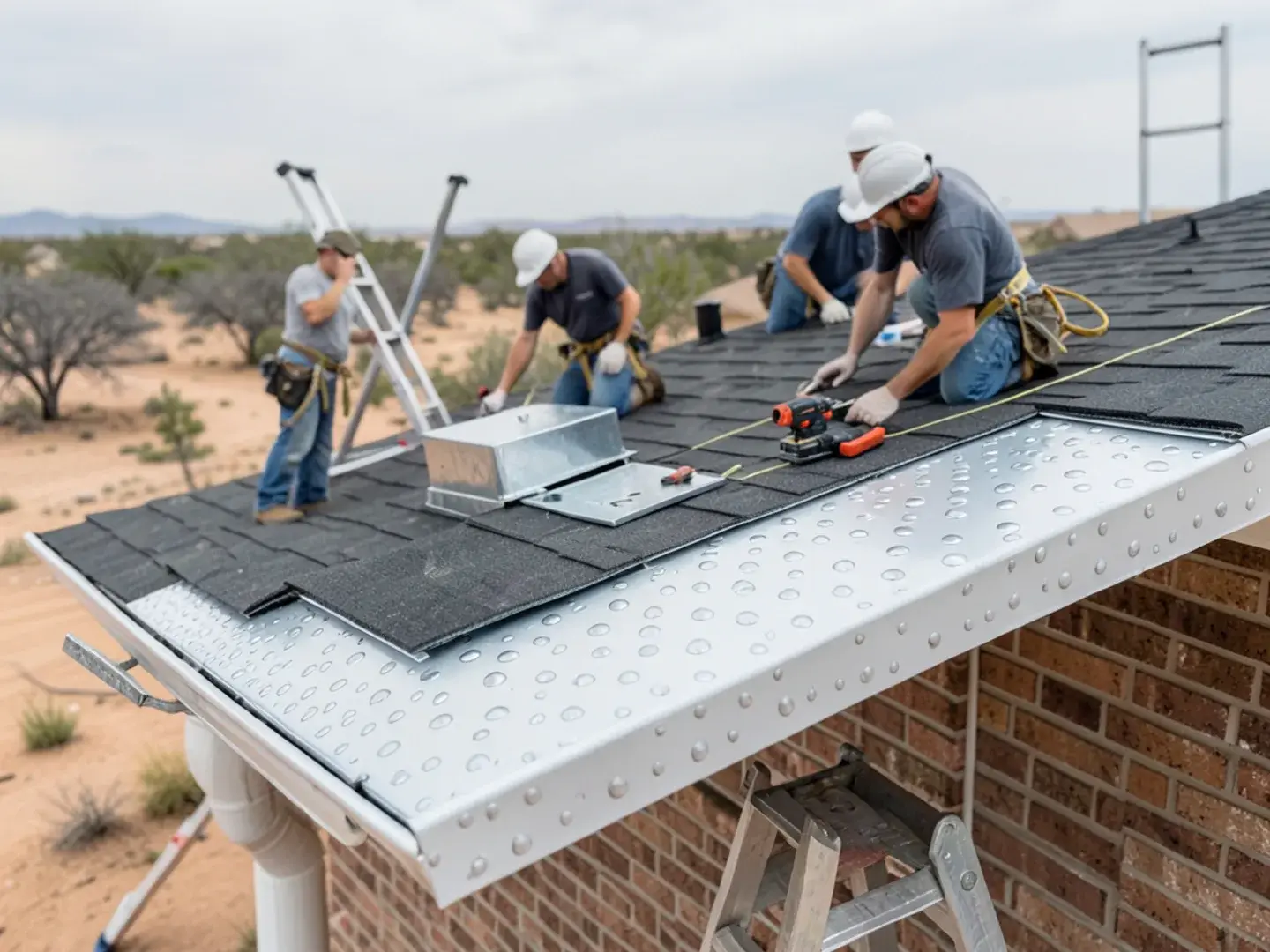
2. Flattened AC fins and other soft metal
The thin aluminum fins on an outdoor AC condenser flatten easily under hail. Check window screens, the mailbox, painted metal trim and patio furniture too. Together, these clues help you and an inspector judge hail size and which direction the storm came from.
3. Granule loss on shingles and in the gutters
Hail knocks the protective granules off asphalt shingles and exposes the dark asphalt beneath. After a storm you'll often find heaps of granules at downspout outlets. A light sprinkle from a new roof is normal; sudden piles after hail are not.
4. Bruises and soft spots
A bruise is a dark, roughly circular spot where the shingle mat underneath was fractured. Pressed by hand, it feels soft, like a bruise on an apple. Bruises can look minor, yet they let sun and water reach the mat and speed up failure.
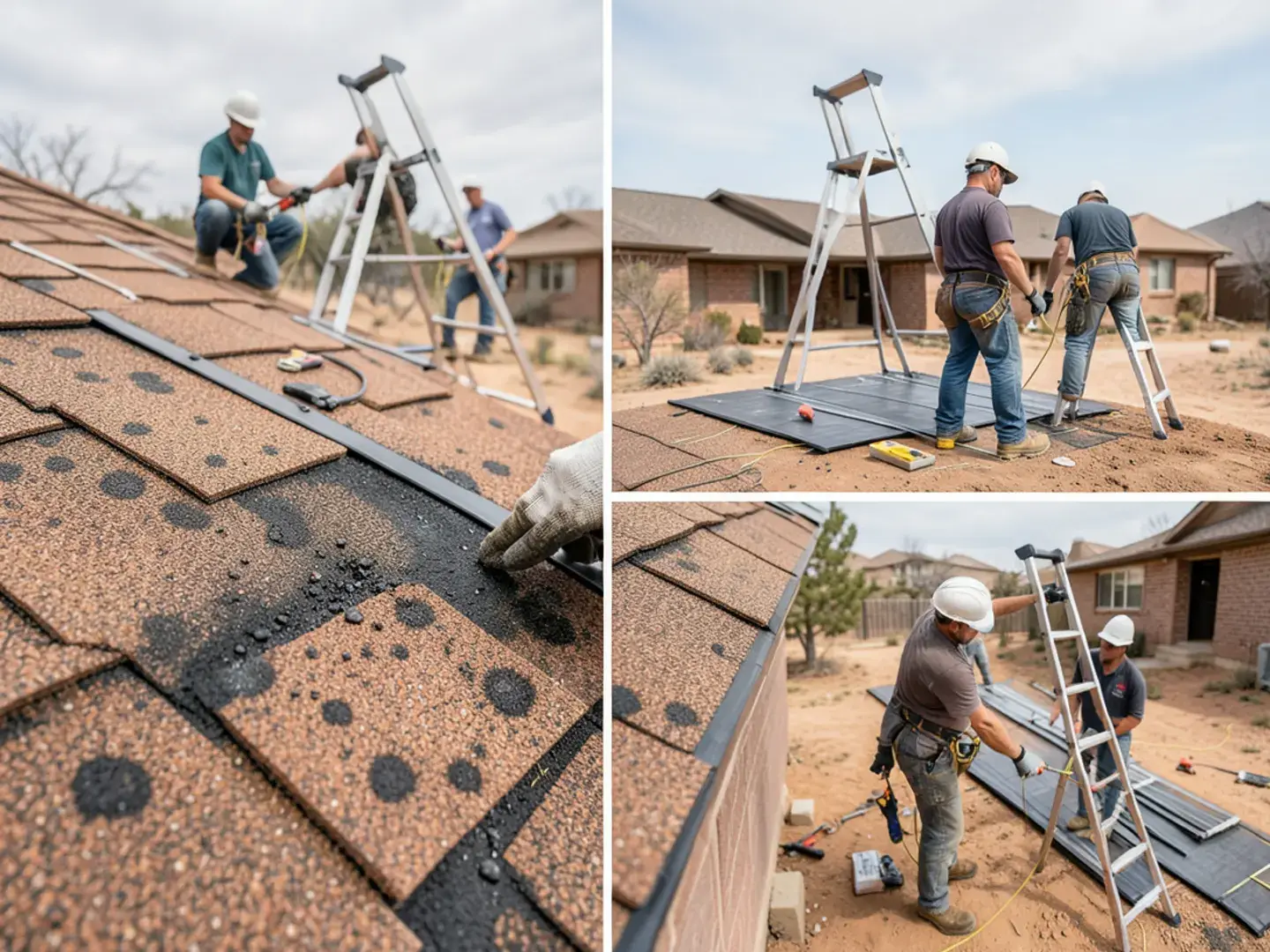
5. Cracked or punctured shingles
Large hail can crack shingles outright or punch holes through them. The National Weather Service reported golf-ball to baseball-size hail in south Lubbock on June 23, 2023, plus a grapefruit-size stone near 98th Street and Upland Avenue. Cracks in random, scattered spots, not neat rows, point to impact.
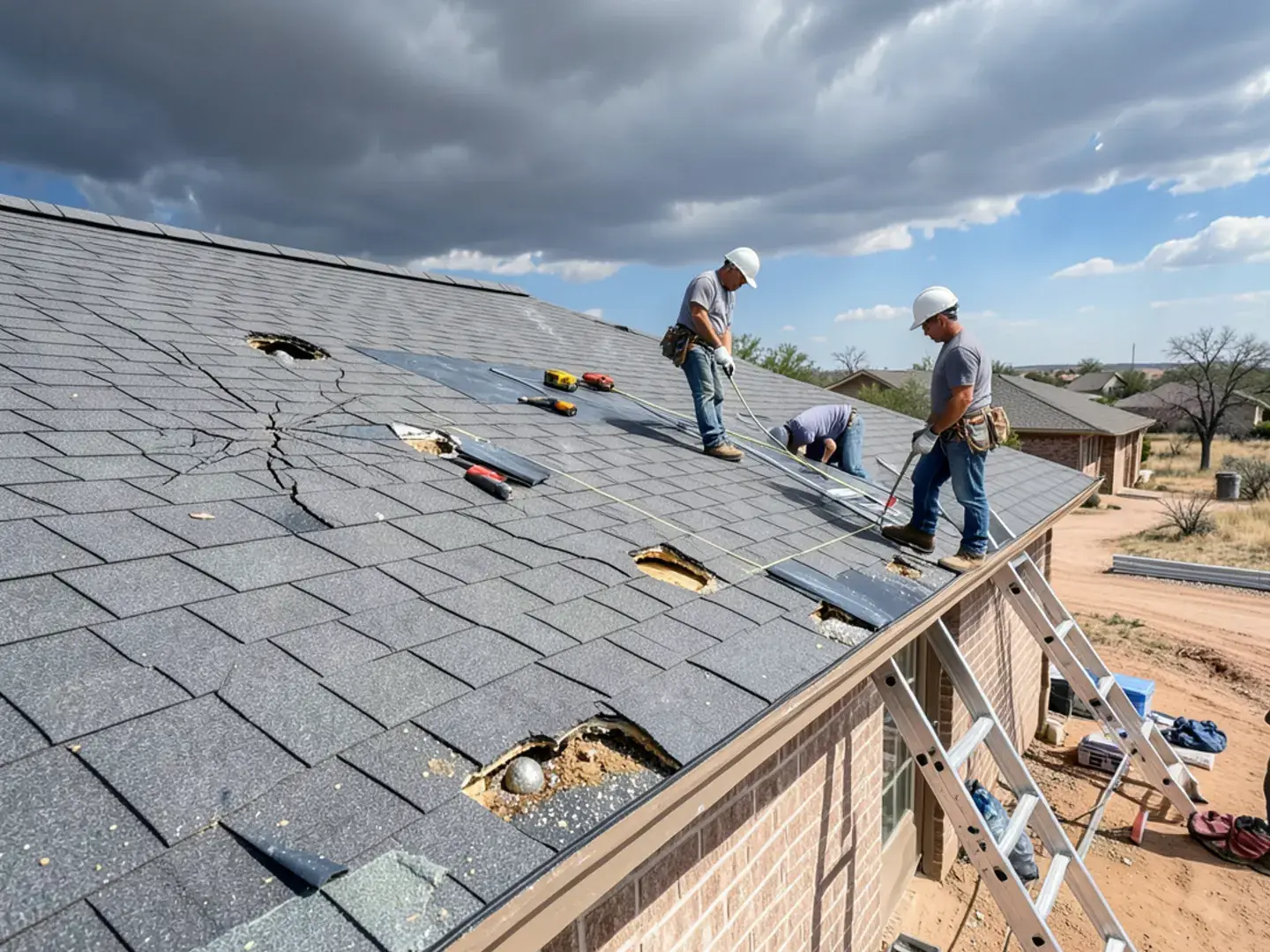
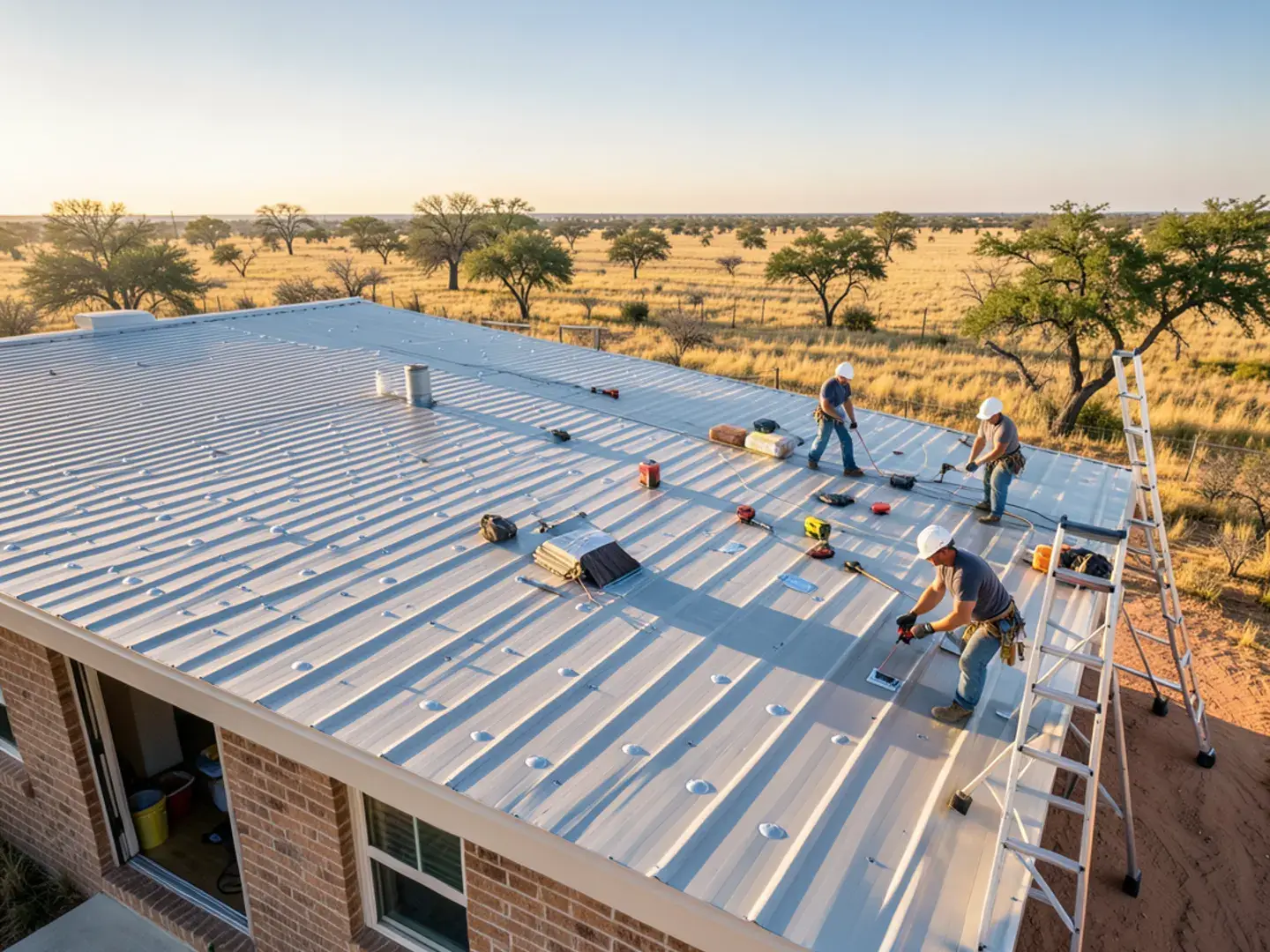
6. Dented metal roofing panels
On a metal roof, hail leaves round dimples in panels, ridge caps and trim. Some dents are only cosmetic. Others crease seams, loosen fasteners or break the coating, which can lead to leaks and rust over time.
7. Split wood shingles or shakes
Fresh hail splits in wood are sharp-edged and light-colored inside, often with a dent mark where the stone hit. Splits with gray, weathered edges usually came from age and drying, not from the latest storm.
8. Damaged flashing and roof accessories
Hail dents and tears step flashing, chimney caps, skylight frames and drip edge. Flashing is where many leaks begin, even when the field shingles look fine.
What isn't hail damage?
Blistering, normal aging, foot traffic and manufacturing defects are the common lookalikes. Hail leaves random, round impacts with fractured mats underneath. Blisters are small popped bubbles, aging wears evenly across sunny slopes, foot traffic follows walking paths, and defects repeat in patterns. An up-close inspection tells them apart on any Lubbock or Abilene roof.
- Blistering: small bubbles in the asphalt that pop and leave open pits. They tend to cluster and can show up on fairly new shingles.
- Normal aging: granule wear, curling and cracking spread evenly, often worst on south- and west-facing slopes.
- Foot traffic: scuffs and creased tabs along the paths people walk, near vents, satellite dishes and ladder spots.
- Manufacturing defects: flaking or cracking that repeats the same way across many shingles.
- Mechanical damage: marks from tree limbs, dropped tools or popped nails, which don't follow a storm's scattered pattern.
Does a shingle warranty cover hail damage?
Typically, no. Manufacturer shingle warranties generally do not cover hail damage, so homeowners insurance is the usual backstop for hail on a Lubbock or Abilene roof. Read your policy, note your deductible, and call your insurance company first if you suspect storm damage from a recent hailstorm.
That matters in hail country. Abilene's June 12, 2014 hailstorm led the Insurance Council of Texas to project more than $400 million in insured losses, the city's second major hailstorm in about three years. And the risk isn't limited to one season: spring and early summer bring the most severe hail, but damaging storms have reached as late as October.
Next steps if you spot these signs
Photograph what you see from the ground, then follow our after-hailstorm checklist for West Texas homeowners. A professional hail damage roof inspection documents each hit with photos and notes. Isolated damage to a few shingles, a vent or some flashing can often be handled with targeted roof repair. Widespread bruising and cracking calls for hail damage roof repair in Lubbock and the surrounding area.
We inspect homes as a Lubbock roofing contractor and as a roofing contractor in Abilene, open 7 AM–7 PM CT, 7 days a week. Call (806) 249-0342 to have a local roofer check what the hail left behind.
Have a question about your own roof? Talk it through with a local roofer.
Call (806) 249-0342Frequently Asked Questions
Can I see hail damage from the ground?
Does hail damage always mean a new roof?
How soon should a roof be inspected after hail?
Related roofing services
Local roofing help
More West Texas Roofing Guides
How Much Does a Roof Replacement Cost in Texas? 9 Factors That Set the Price
No honest roofer can price your roof from a blog post. Here are the nine factors that actually set a Texas roof replacement price, plus how to compare written estimates line by line.
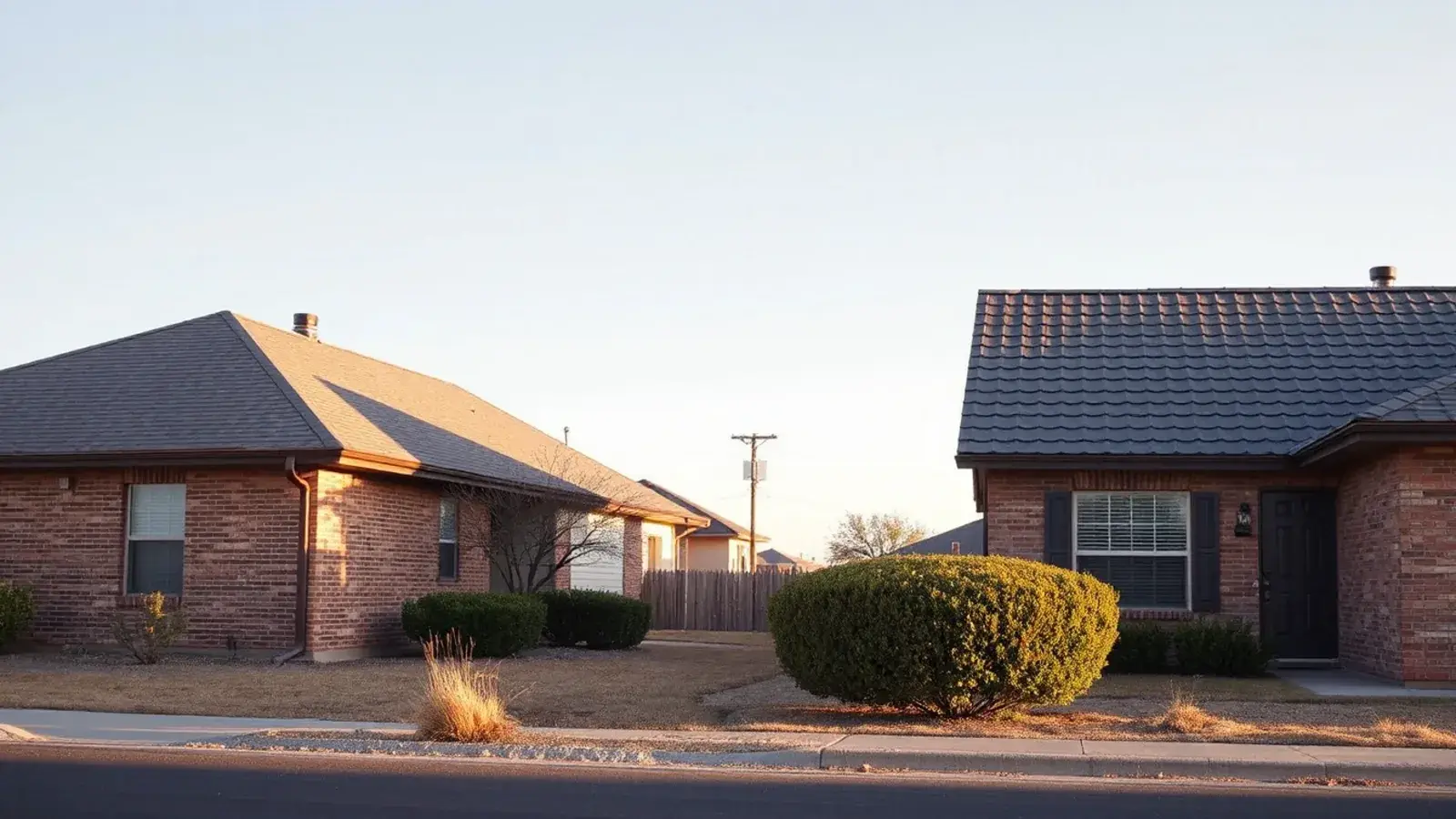
Metal Roof vs. Asphalt Shingles in Texas Heat and Hail
Both metal and asphalt shingles come in UL 2218 Class 4 versions. See how they really compare on West Texas hail, heat, wind, noise, insurance credits and curb appeal, plus a quick decision guide.