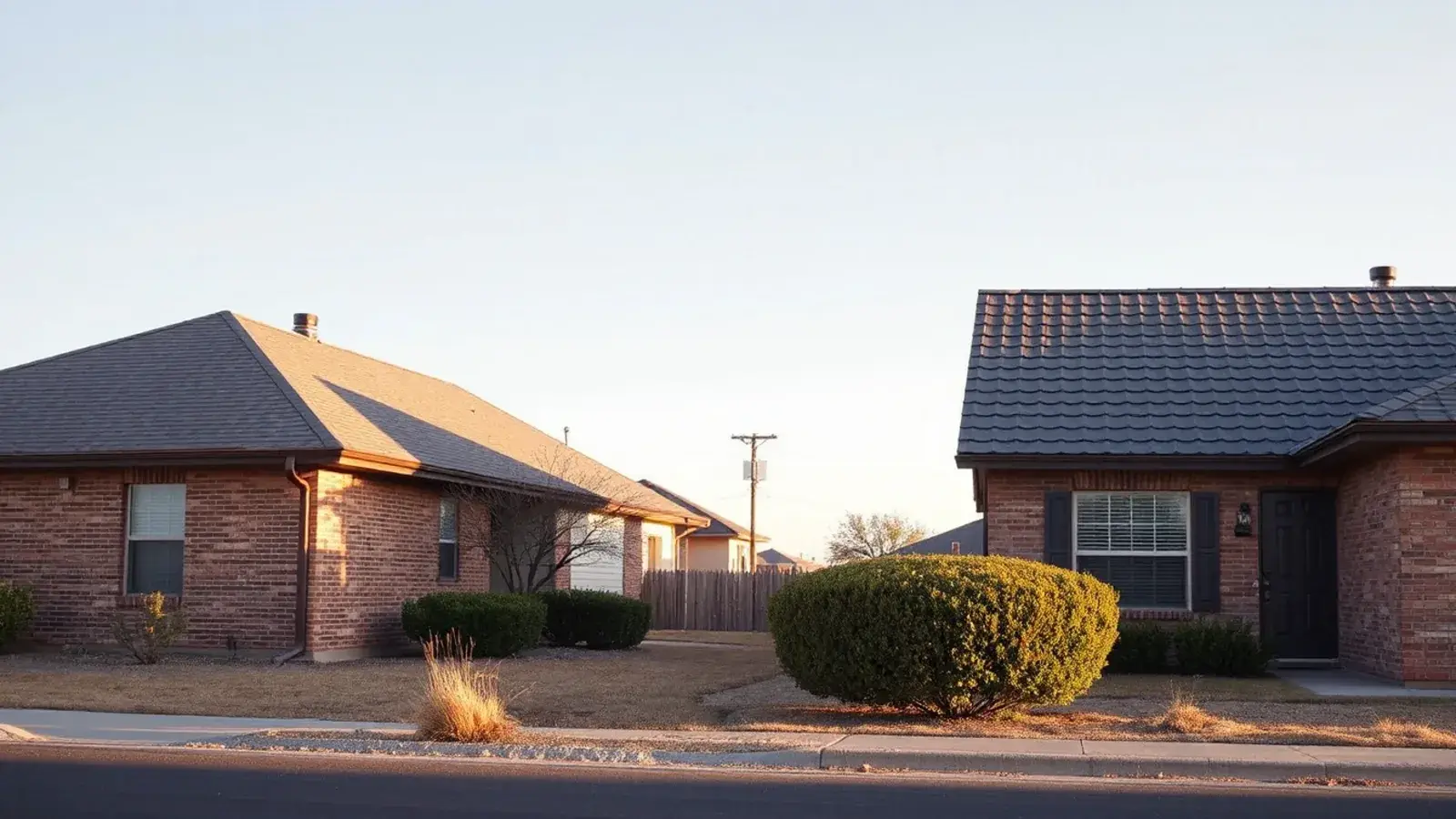
Neither material wins everywhere. Both metal roofing and asphalt shingles come in UL 2218 Class 4 versions, so hail performance depends on the product you choose. Metal usually reflects more heat and needs less upkeep, while shingles usually cost less up front and are easier to patch after a storm.
West Texas asks a lot of a roof: hard sun, summer heat that swings from afternoon to night, spring and early-summer hail, and wind that rarely rests. Metal and asphalt shingles both handle it, just differently. Here's how they compare on the things that matter here, followed by a quick decision guide.
8 ways metal and asphalt shingles compare in West Texas
1. Which roof holds up better to hail?
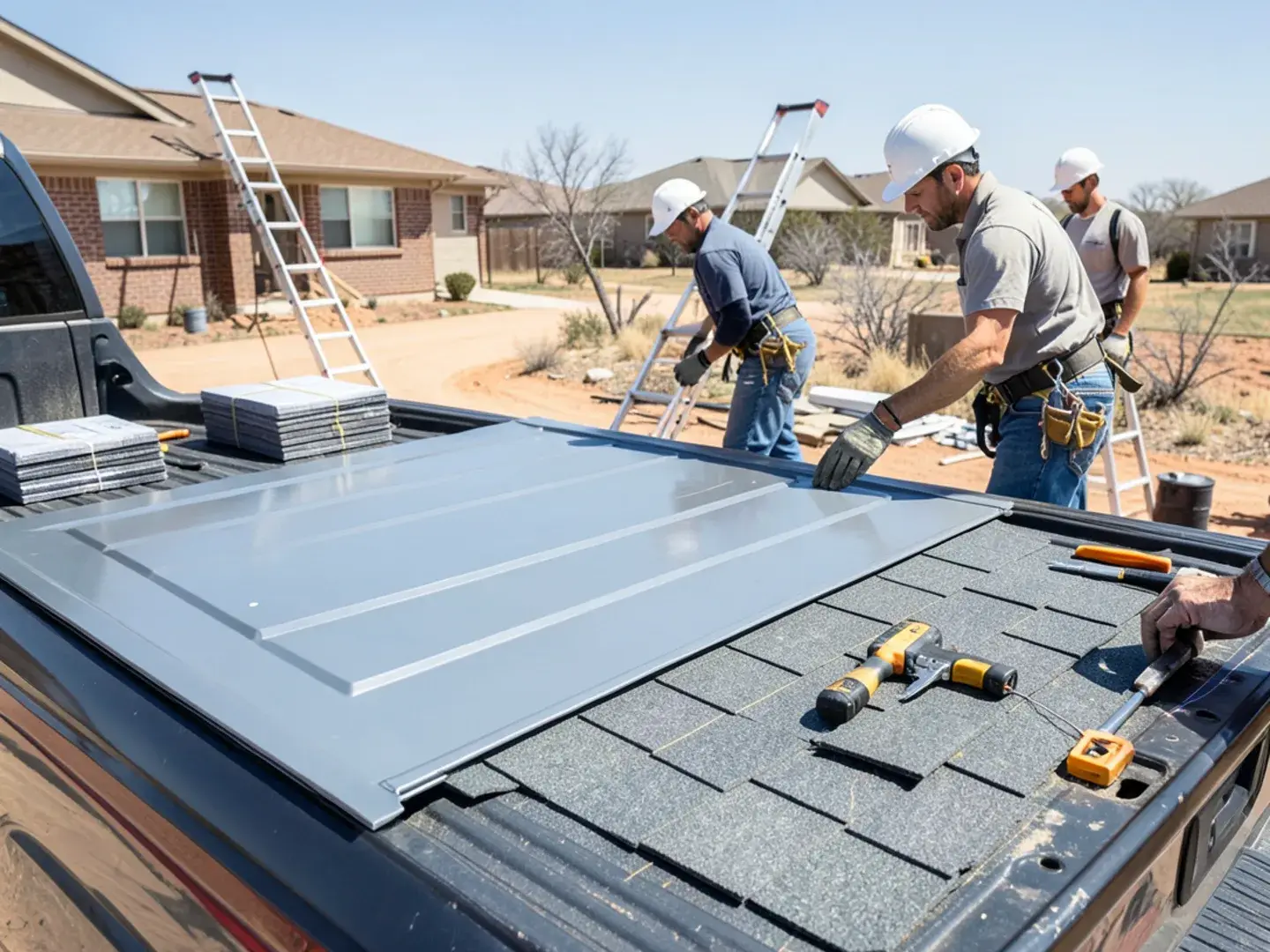
Neither by default. Metal roofing and asphalt shingles both come in versions rated UL 2218 Class 4, the top impact class, meaning a 2-inch steel ball dropped from 20 feet didn't crack the product. Class 4 shingles resist cracking, while metal resists punctures but can still dent. Product choice matters more than material.
On metal, roofers and adjusters separate cosmetic dents, dimples that don't change how the panel sheds water, from functional damage such as split seams, broken coatings or holes. Some policies limit or exclude coverage for cosmetic damage to metal roofing, so check your policy's wording before you count on metal for hail protection.
2. Heat, UV and reflectivity
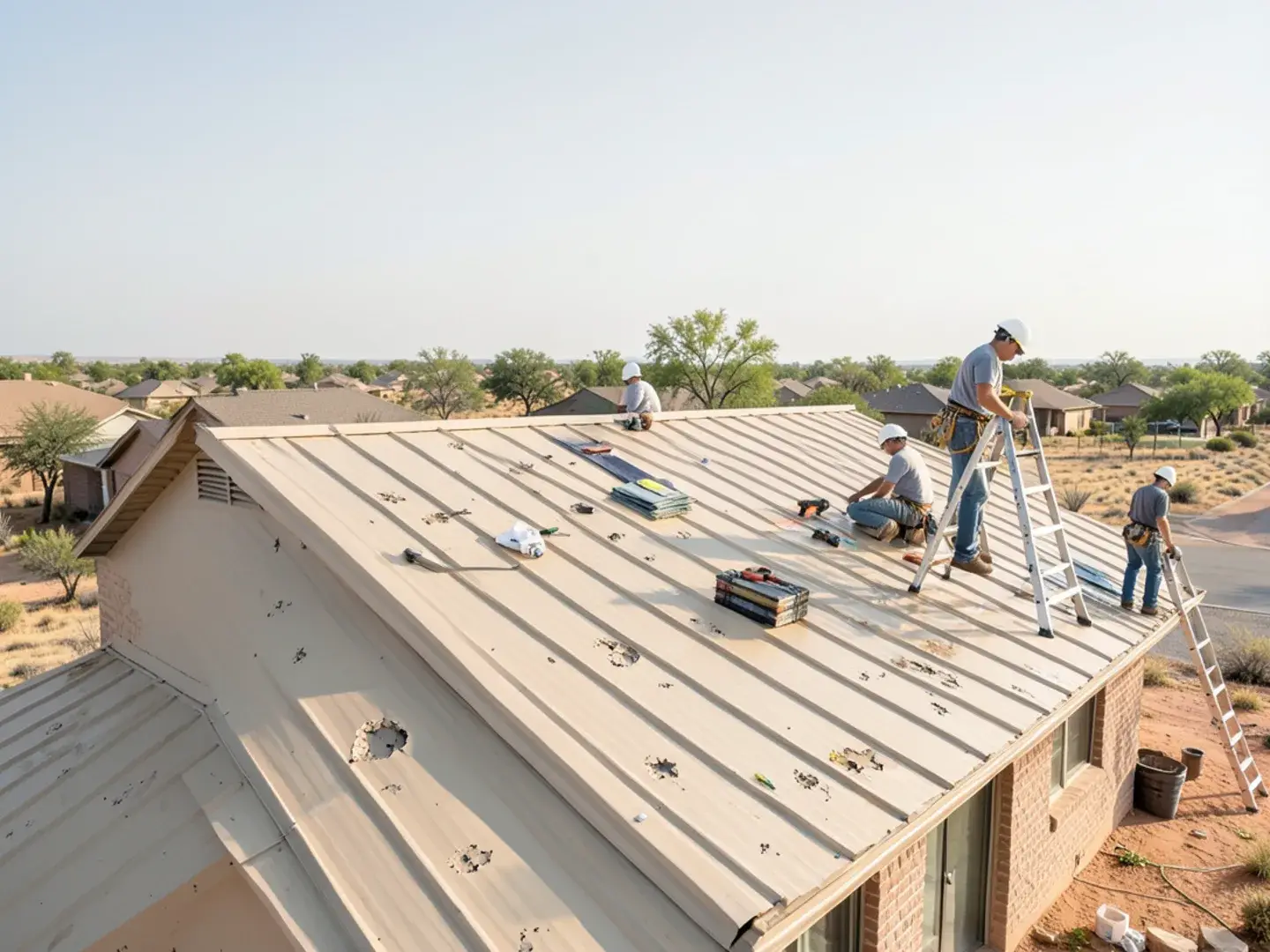
Asphalt shingles absorb heat, and years of strong sun dry out the asphalt and loosen granules. Metal reflects more sunlight, especially in lighter colors or with reflective coatings, which can help keep attic temperatures down. With either material, attic ventilation does a lot of the work of shedding heat.
3. Wind
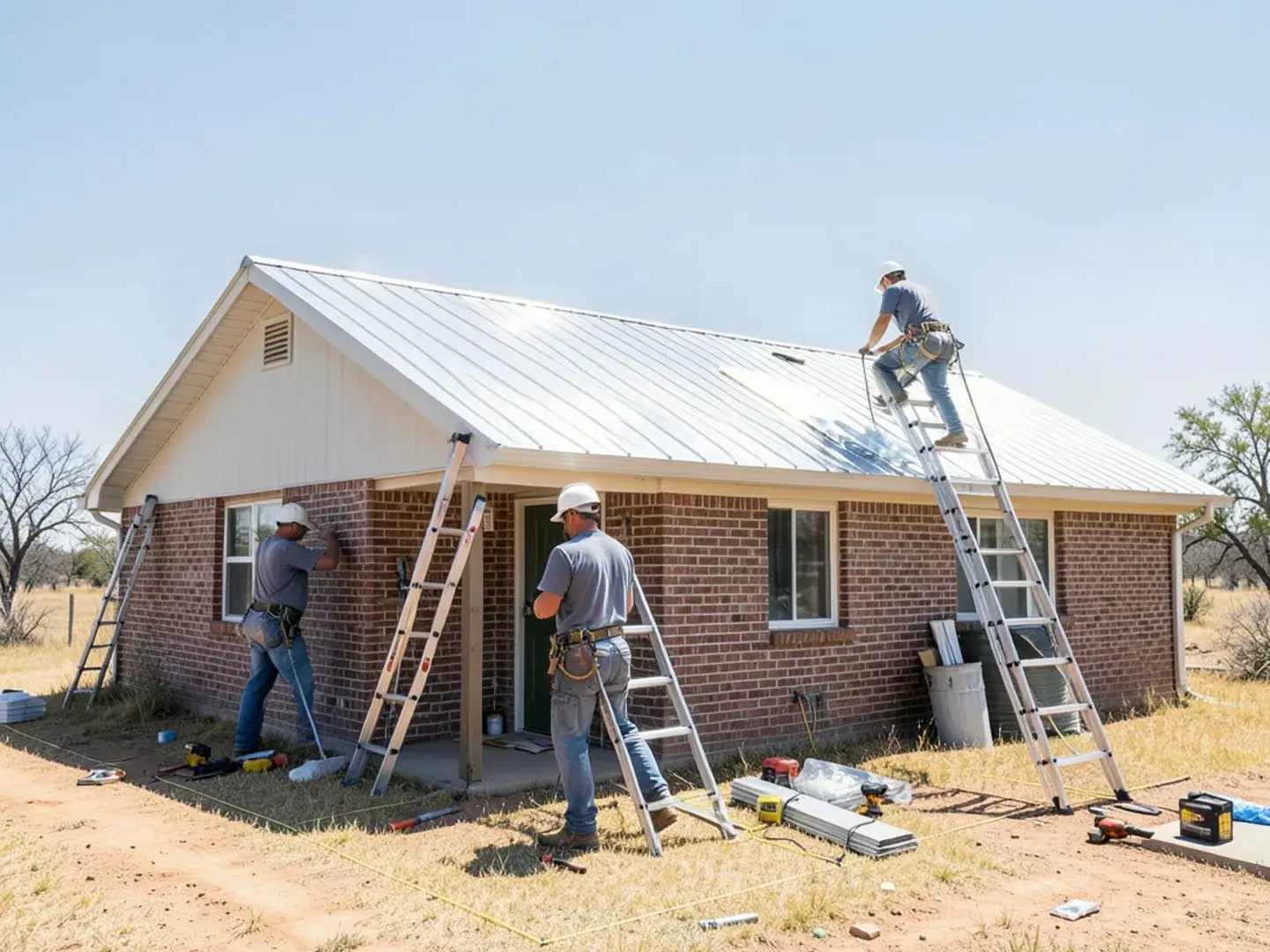
Wind performance comes down to the product's wind rating and the installation: the nailing pattern on shingles, and the fasteners or clips on metal. South Plains wind and dust storms test both. Ask each roofer what rating the product carries and exactly how it will be fastened.
4. Maintenance
Shingles need periodic checks for lifted tabs, granule loss and cracked pipe boots. Exposed-fastener metal panels need their screws and washers checked, plus sealant at trim and any scratches that could rust. Standing seam metal hides its fasteners, so there's less to watch.
5. Is a metal roof louder in rain and hail?
In most homes, not as loud as people expect. A metal roof installed over solid decking and underlayment, with an insulated attic below, sounds much like a shingle roof from inside the house. The loud metal roof most people picture is panels over open framing, like a barn or carport, with nothing underneath.
6. Appearance and HOA rules
Shingles suit most ranch-style homes and come in plenty of colors and profiles. West Texas homes commonly carry asphalt composition shingles, with metal common on newer and rural properties. If your neighborhood has an HOA, check its architectural rules on material and color before signing anything.
7. Insurance credits for impact resistance
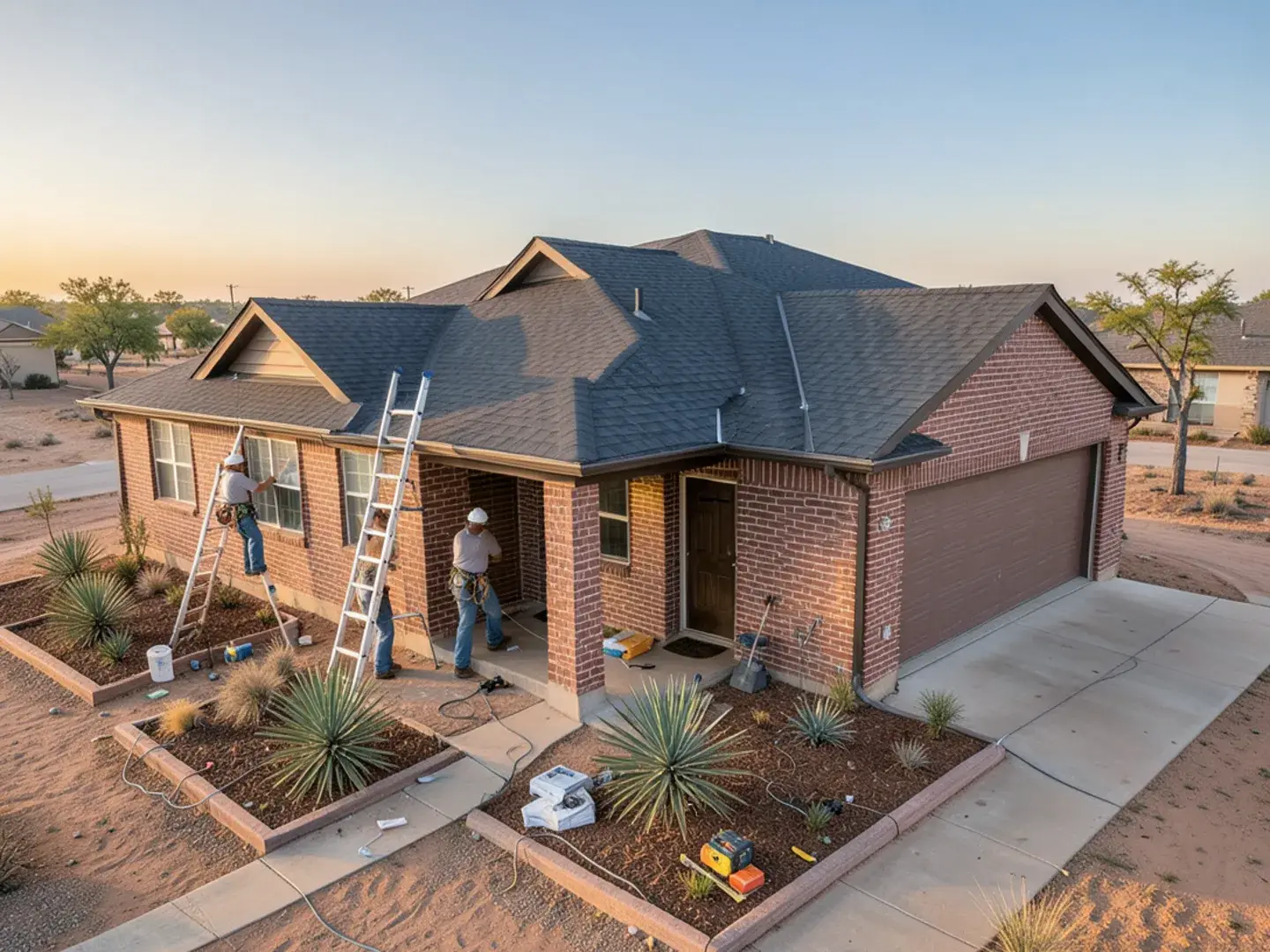
According to the Texas Department of Insurance, roofing must pass UL 2218 and be rated Class 1–4 to qualify for a premium discount. Each insurance company sets its own discount amount, and Class 4 earns the highest credit. The installer gives you a TDI certificate of installation. Ask your insurance agent what credit your company offers before you decide.
8. Resale
Buyers and home inspectors look at roof age, condition and paperwork. Keep the certificate of installation, product details and any warranty registration together. Clear records help either material when it's time to sell.
Metal or shingles: a quick decision guide
- Lean toward Class 4 asphalt shingles if you want a traditional look, a lower up-front investment and simple shingle-by-shingle repairs after a storm.
- Lean toward metal if you want low upkeep and better heat reflection, and your policy treats cosmetic dents the way you expect.
- Either way, insist on a clear impact rating, solid flashing and ventilation, and the TDI certificate of installation when the product qualifies.
- Call your agent first if you're unsure how your policy handles impact-resistance credits or cosmetic metal damage.
Before you decide, it helps to understand what sets a roof replacement price so you can compare bids for each material fairly.
Get local advice on metal or shingles
Learn more about metal roofing in Lubbock and Class 4 asphalt shingle roofing, or see what goes into a full roof replacement. We help homeowners weigh both options as a Lubbock roofing contractor and as a roofing contractor in Midland. Call (806) 249-0342 to weigh metal against shingles for your own roof and budget.
Have a question about your own roof? Talk it through with a local roofer.
Call (806) 249-0342Frequently Asked Questions
Do Class 4 shingles and Class 4 metal earn the same insurance credit?
Will a metal roof keep my house cooler?
Can hail dent a Class 4 metal roof?
Related roofing services
Local roofing help
More West Texas Roofing Guides
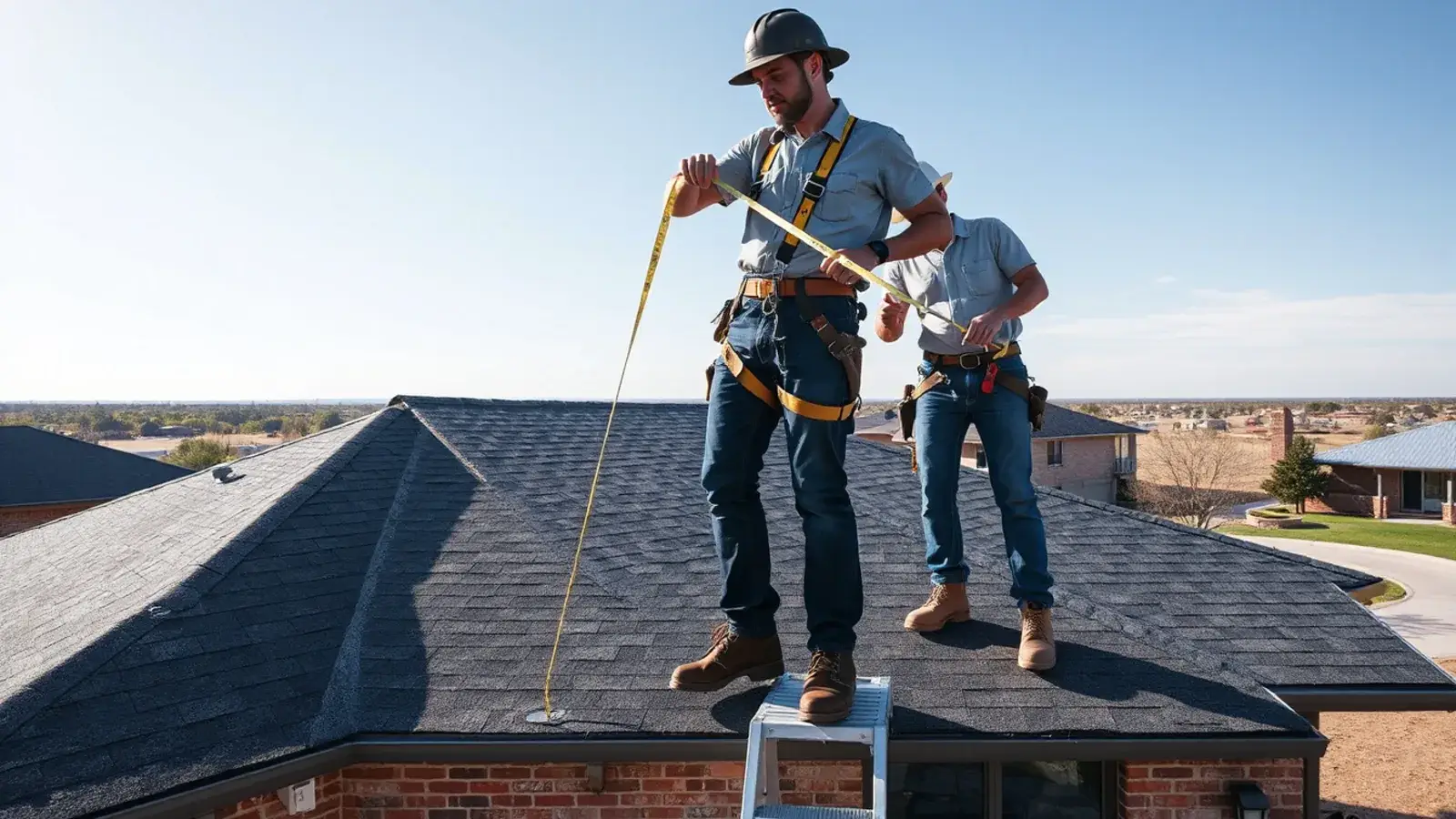
How Much Does a Roof Replacement Cost in Texas? 9 Factors That Set the Price
No honest roofer can price your roof from a blog post. Here are the nine factors that actually set a Texas roof replacement price, plus how to compare written estimates line by line.
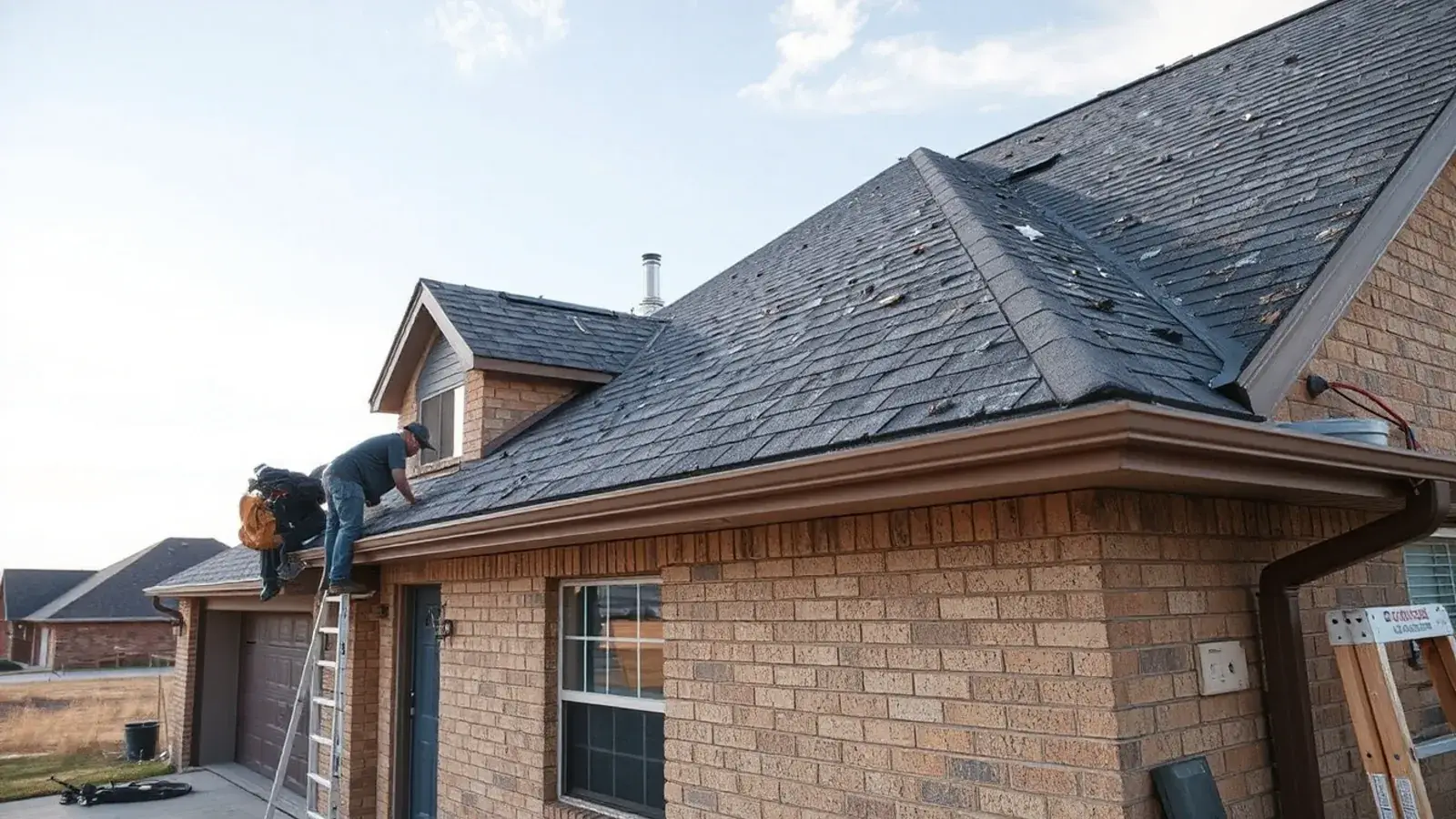
8 Signs of Hail Damage on Your Roof (and What Isn't Hail)
Bruised shingles, dented gutters and cracked flashing are classic hail tells, but blistering and old age can look similar. Here are eight signs to check from the ground, plus what usually isn't hail.